


Cuba Denounces Reports of Possible U.S. Military Action
Cuban officials rejected reports of possible U.S. military action and renewed calls for dialogue while seeking UN support to prevent escalation.
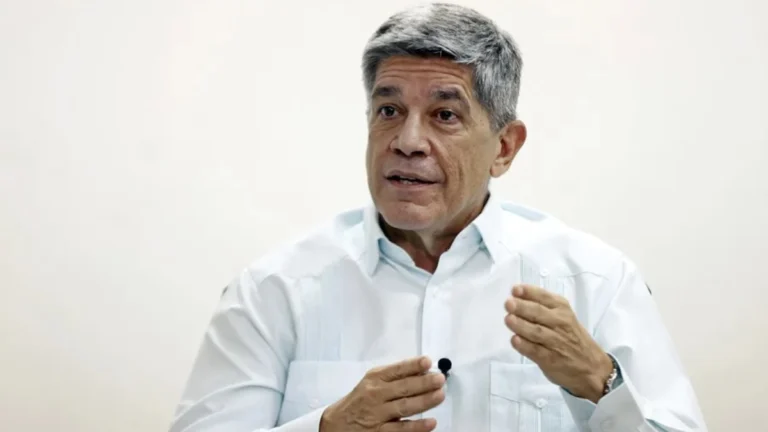
Cuba appealed to the United Nations after reports alleging possible U.S. military planning against the island. Photo: EFE
May 28, 2026 Hour: 2:26 am
🔗 Comparte este artículo
Havana rejects reports alleging Pentagon preparations for military intervention and urges dialogue through the United Nations.
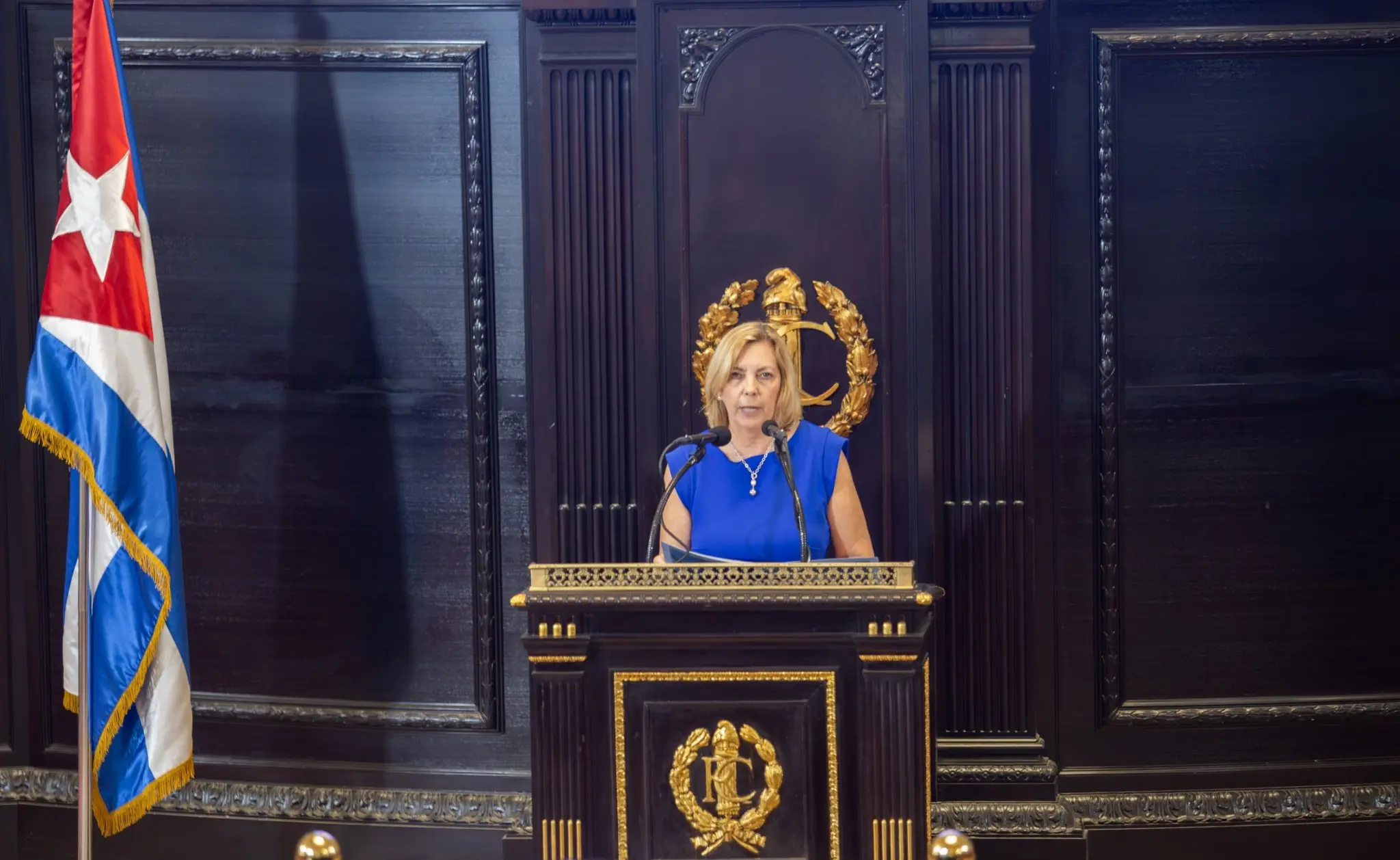
Cuba’s Deputy Foreign Minister Carlos Fernández de Cossío on Wednesday condemned what he described as calls for war against the island following the publication of a report by U.S. magazine Politico detailing alleged Pentagon preparations for a possible military operation against Cuba.
RELATED: CARICOM Voices Concern Over Tougher U.S. Measures on Cuba
In a message posted on social media, De Cossío questioned the justification for any military action, responding to a report that, according to the Cuban official, suggests that operational plans are in place and awaiting approval from U.S. President Donald Trump.
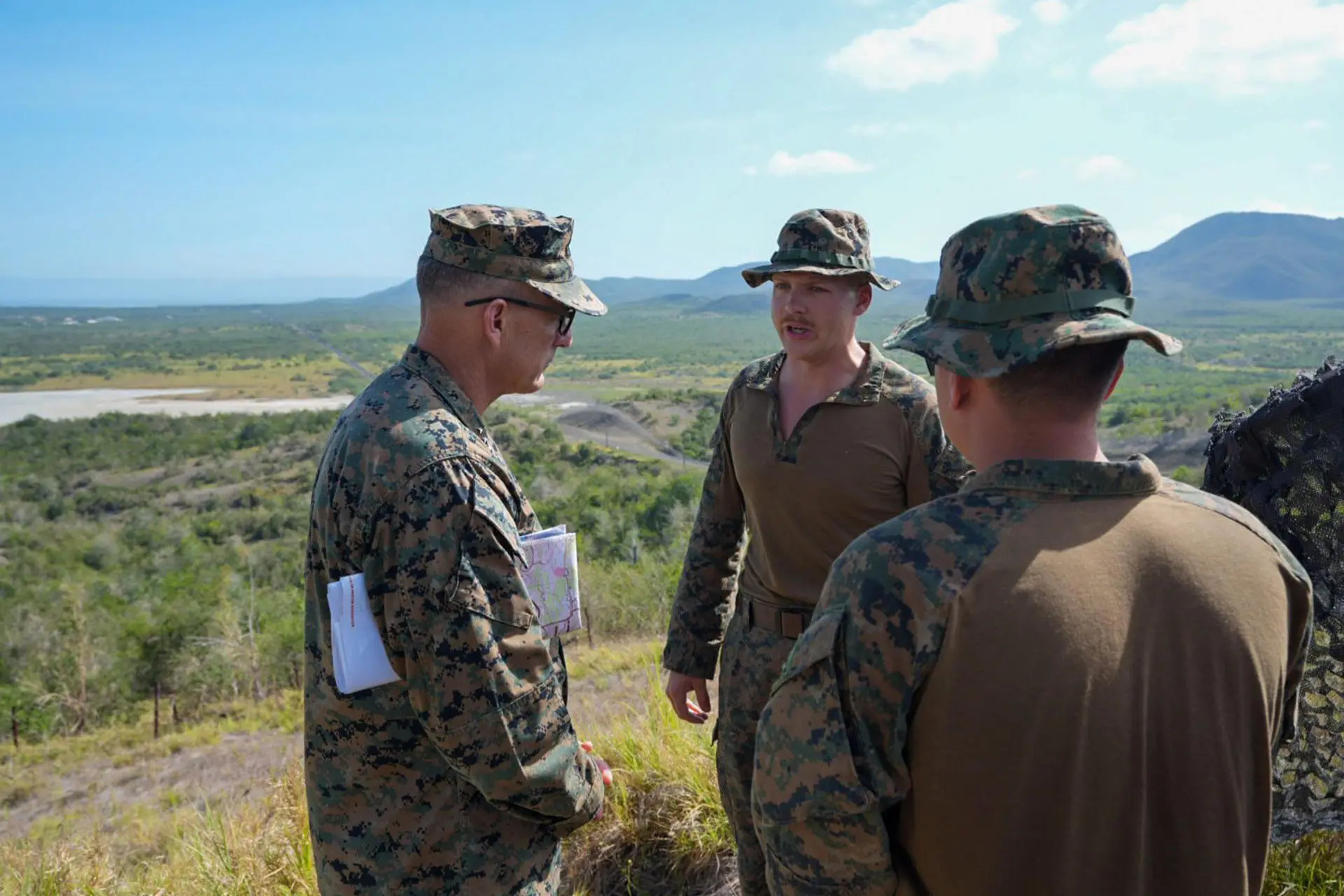
The article, titled “The Pentagon Lays the Groundwork for the Invasion of Cuba,” reportedly outlines the deployment of military assets that could support a U.S. attack on the island. According to the publication, despite the ongoing conflict involving Iran, Washington maintains its largest naval presence outside the Middle East in the Caribbean, including the USS Nimitz carrier strike group, guided-missile destroyers and cruisers.
Text Reads: The U.S. magazine Politico continues to incite war against Cuba. It proclaims that everything is ready and only Trump’s approval is lacking. Isn’t a motive lacking to justify killing, maiming, causing destruction and misery, plus running the sure risk of losing lives of our own?
The report states that these forces could support operations ranging from the capture of Cuba’s leadership to precision military strikes.
Speaking on Wednesday, U.S. Secretary of State Marco Rubio said that a “failed state 90 miles from our shores represents a threat to the national security of the United States.”
Politico also reported that the U.S. administration faces a narrowing window for action, as many deployed warships have remained at sea for nearly ten months, well beyond the typical six- to seven-month deployment period. The publication noted concerns among defense officials over crew fatigue and personnel retention.
Amid the escalation in rhetoric, Cuban Foreign Minister Bruno Rodríguez met with United Nations Secretary-General António Guterres to seek the organization’s support in preventing what Havana describes as a possible U.S. military aggression. Rodríguez warned that such a scenario could result in a “bloodbath.”
The Cuban foreign minister also denounced the tightening of the U.S. blockade, what he described as a “brutal energy siege,” and secondary sanctions that Cuba says have deepened the island’s humanitarian difficulties.
Text Reads: “Let no one doubt that, should we reach a moment that we hope never occurs, the people of Cuba will fight to the very last consequences.”🗣️Bruno Rodríguez Parrilla, Minister of Foreign Affairs of Cuba, at the United Nations Security Council, May 26.
Despite ongoing tensions, Cuba reiterated its willingness to continue bilateral talks with the United States, provided that the principles of sovereignty and non-interference in domestic affairs are respected.
The meeting between Rodríguez and Guterres took place on May 26 during an open debate of the UN Security Council convened by China. During the session, Rodríguez also rejected what he described as the “infamous, fraudulent and illegal” accusation announced by the U.S. Department of Justice on May 20 against Army General Raúl Castro Ruz.
For his part, Guterres has publicly opposed threats of intervention against Cuba and the U.S. blockade, while expressing concern over the humanitarian consequences of restrictive measures. On May 11, the UN secretary-general stated that “there is no military solution to be sought for Cuba” and called for constructive dialogue between the two countries.